Well, four separate subway lines, 1 intercity train, 2 funiculars and a cable car later (and same again in reverse to come later this morning), I’m posting from lovely Koyasan, where there is wifi (to a degree) – though decidedly temperamental to say the least…
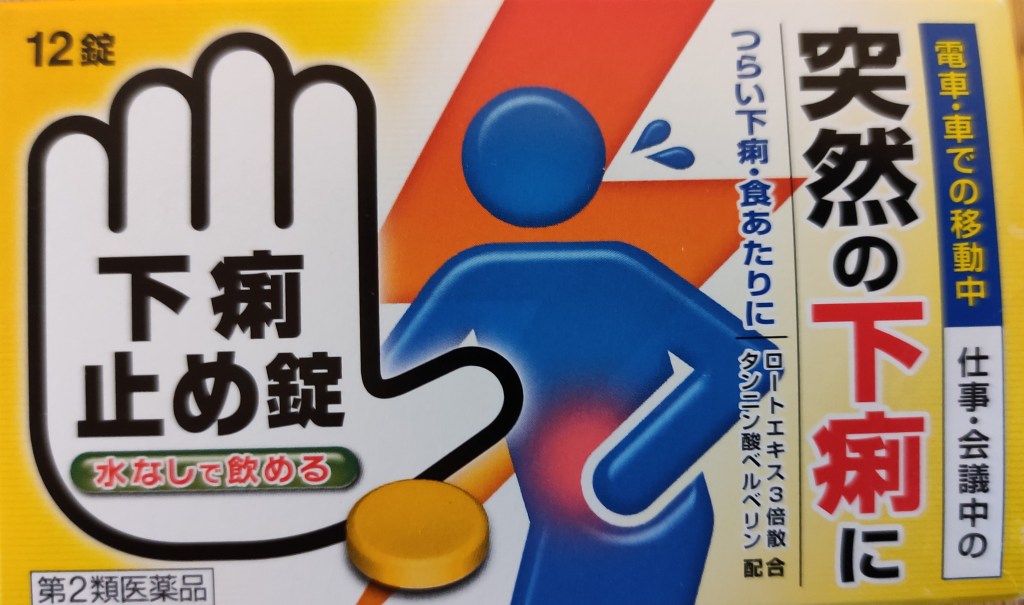
Despite the complexity of the journey and volume of changes en route, the journey itself went pretty smoothly – with the one notable exception of the shits hitting suddenly, epically and lavishly at Osaka station (twice) and then again at the nearby Shin-Imamiya station, where I was in the process of changing for another line. At one point, I was literally having visions of remaining forever trapped in limbo somewhere on the map of greater Osaka, having to spend the rest of my days locked in a random metropolitan interchange station bathroom, staring at the same four toilet stall doors, whilst intermittently shitting water. Fortunately for me though, there was finally a break in proceedings (as it were) just long enough for me to harness the power of Google (both Maps and Translate) to find a pharmacist just around the corner from the station and communicate my immediate predicament to the lady at the counter (which in case you ever need is ge-ri (下痢)), whose pills prescribed mercifully soon did the job. Thank God for the Japanese custom of building in a pristine set of toilets in every conceivable spot, is all I can say, though I don’t think the ‘privacy button’ really quite served its purpose in full on this occasion… Perhaps this was all that eel from the other day coming back to haunt me!
Anyway, moving swiftly on from what I will hitherto term ‘The Osaka Incident’ (which we’ll agree to never mention again), and on to Koyasan – which, thank Christ, I finally (if very gingerly) managed to reach with buttocks and bowels, if not perhaps soul, intact. Koyasan is basically a small, secluded mountain town that is also a World Heritage Site and the birthplace of Shingon Buddhism, being primarily made up of various living, breathing temples and monasteries (all of 117 of them in about a square mile radius).
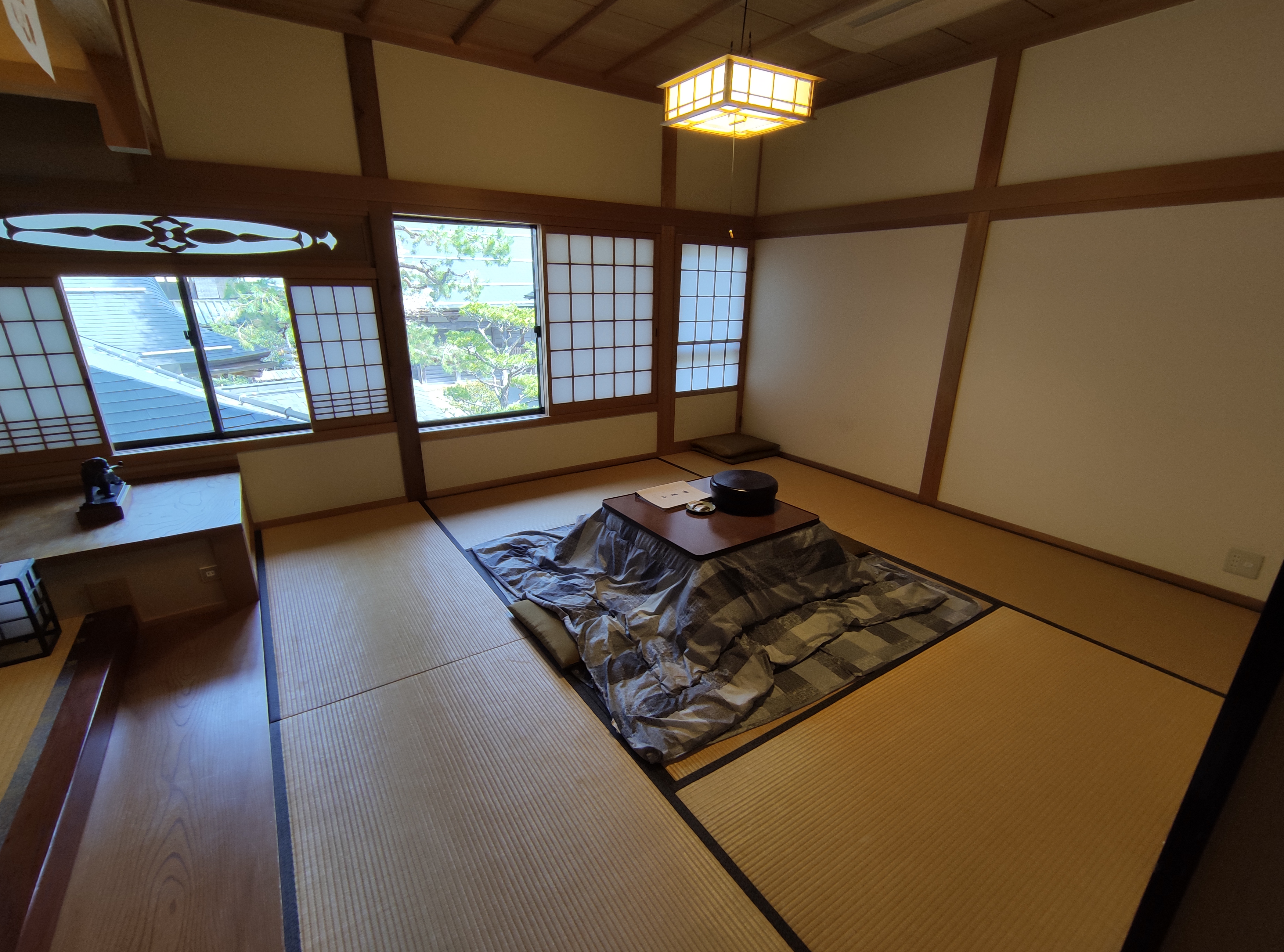
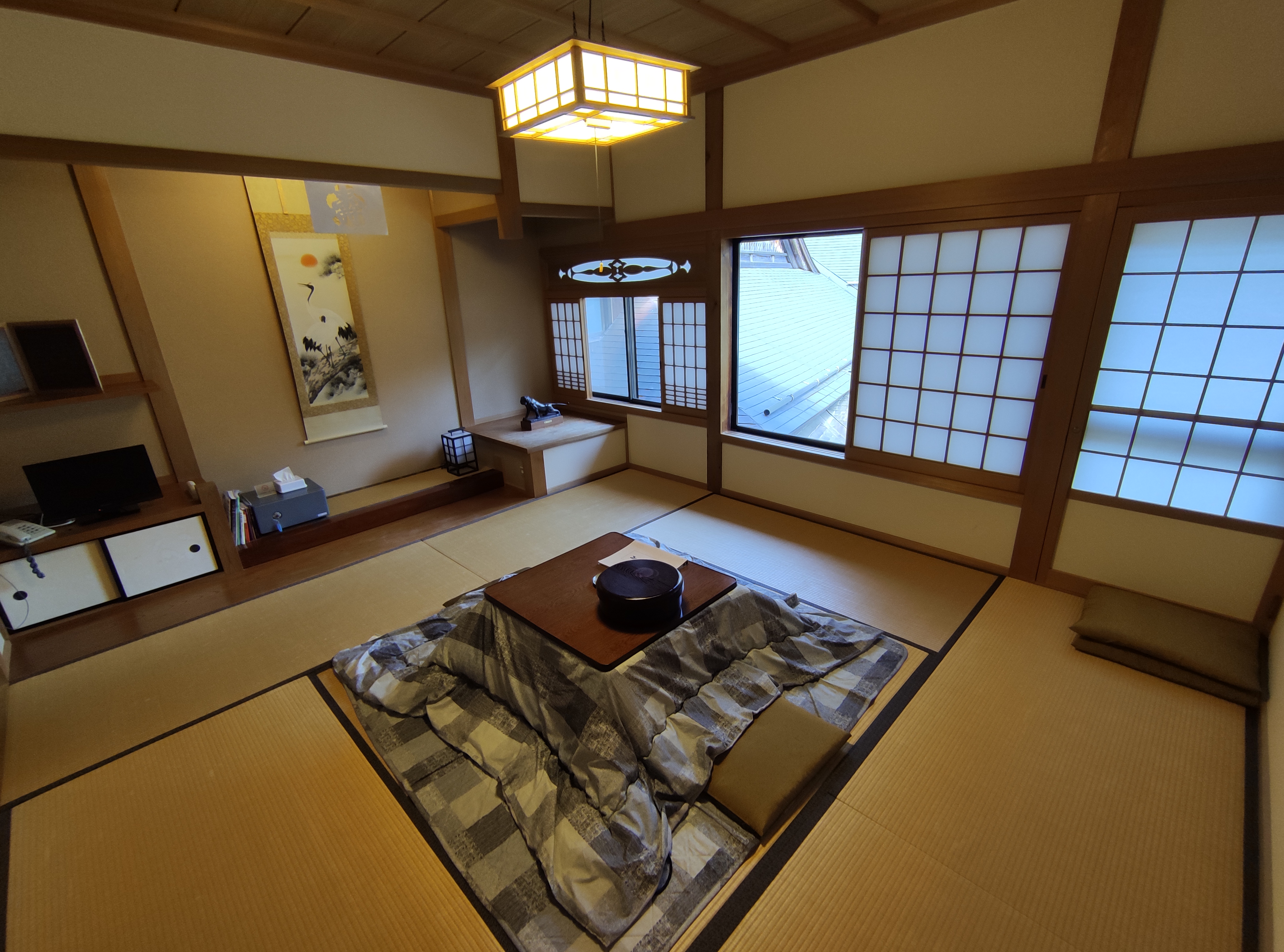
By this point in the trip, I had seen more temples (Buddhist and Shinto) than you could likely shake a stick at – but the difference here is that you actually got to stay in one! Most of the monasteries in Koyasan offer what’s called shukubo, which is basically simple temple lodging – usually Japanese wooden / sliding door / futon bed ryokan style and shared bathrooms, and with the option to join in on various meditation sessions / morning prayers, alongside the resident monks etc.
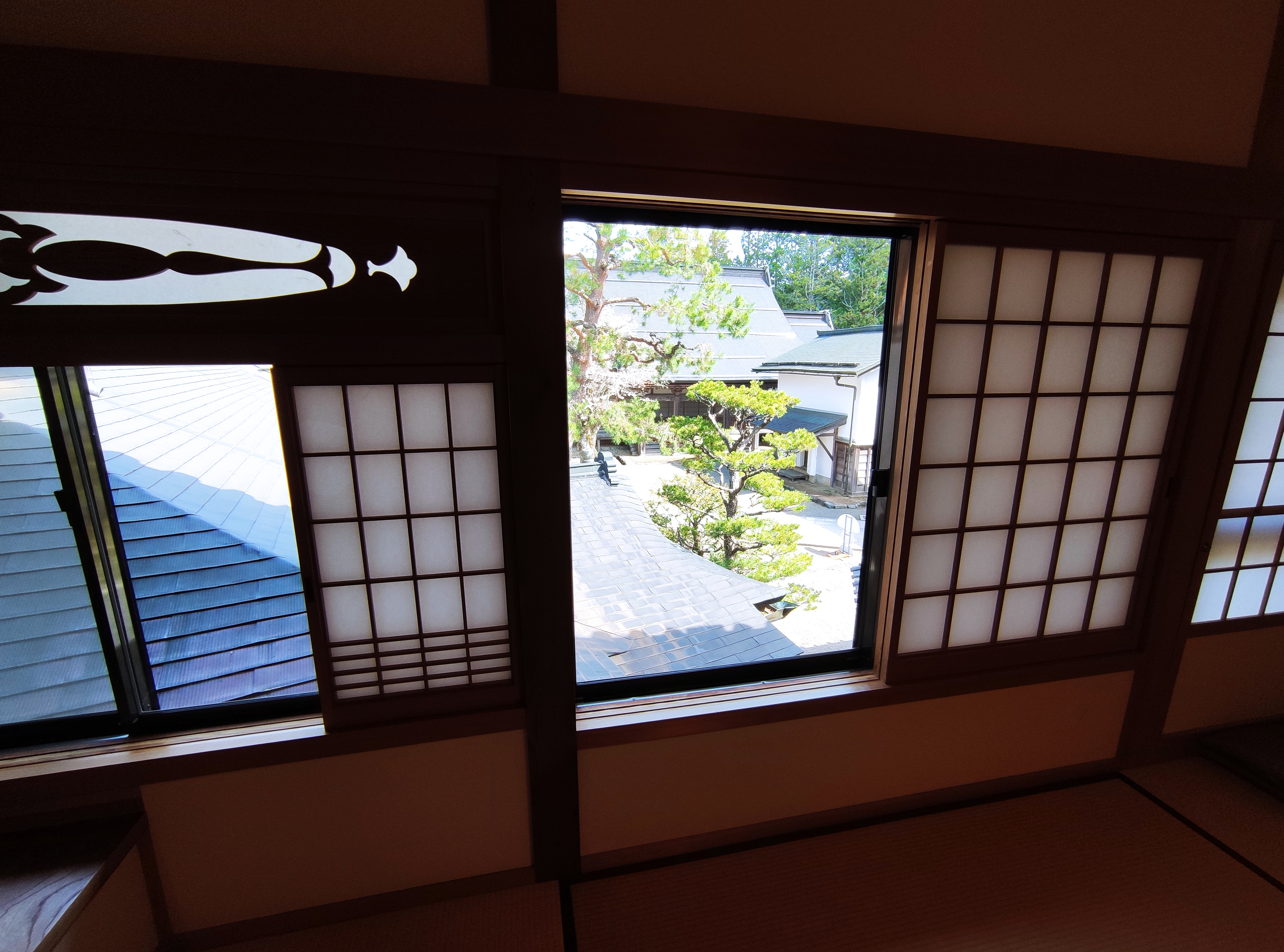
This was my room (before futon bed was rolled out) at the Saizen-in temple:
Another super interesting (and delicious) feature of a shukobo stay is getting to partake of the monks’ meals as well, which are called shojin-ryori. Shojin-ryori basically constitutes Japanese vegetarian Buddhist cuisine, being made up of vegetables, tofu in various guises and edible wild plants (many of which I couldn’t even recognise, let alone name…). The sharp-eyed among you will have obviously spotted that some sashimi seems to made it into the mix here too – not to mention (even more surprisingly) some sake! I’m guessing these items are sops for the paying guests, rather than something the resident monks get to partake in as well, but who knows…? 😉
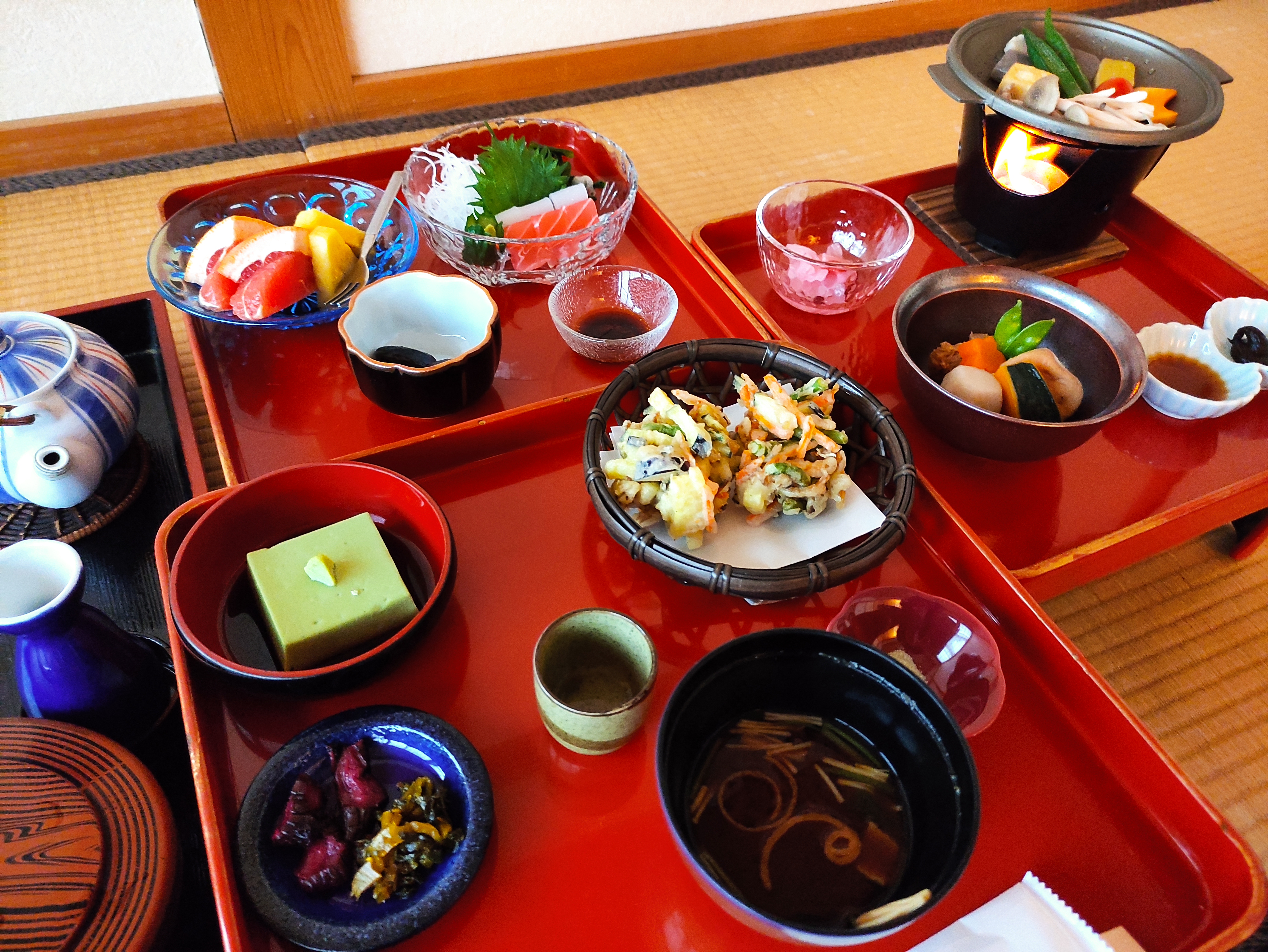
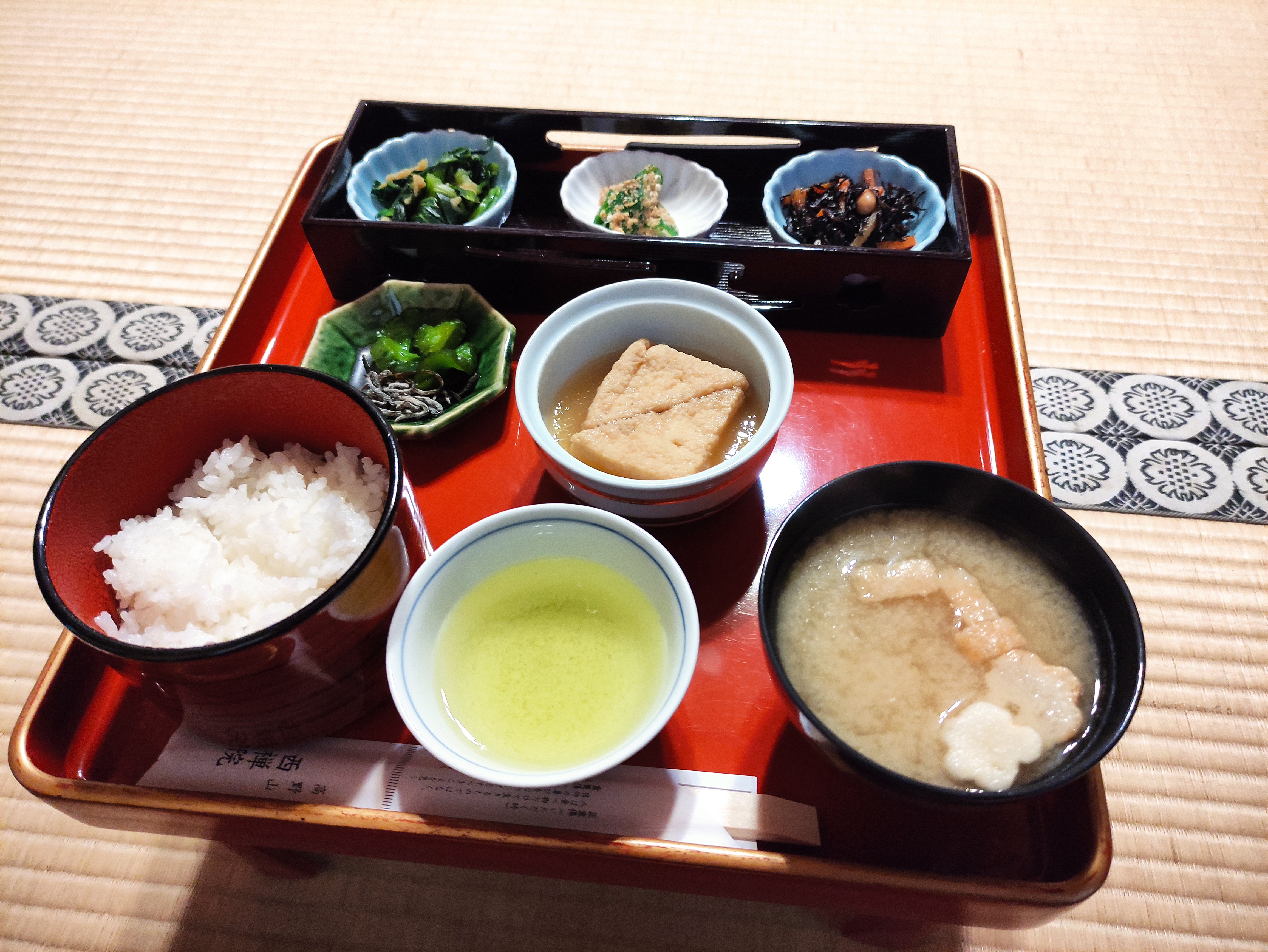
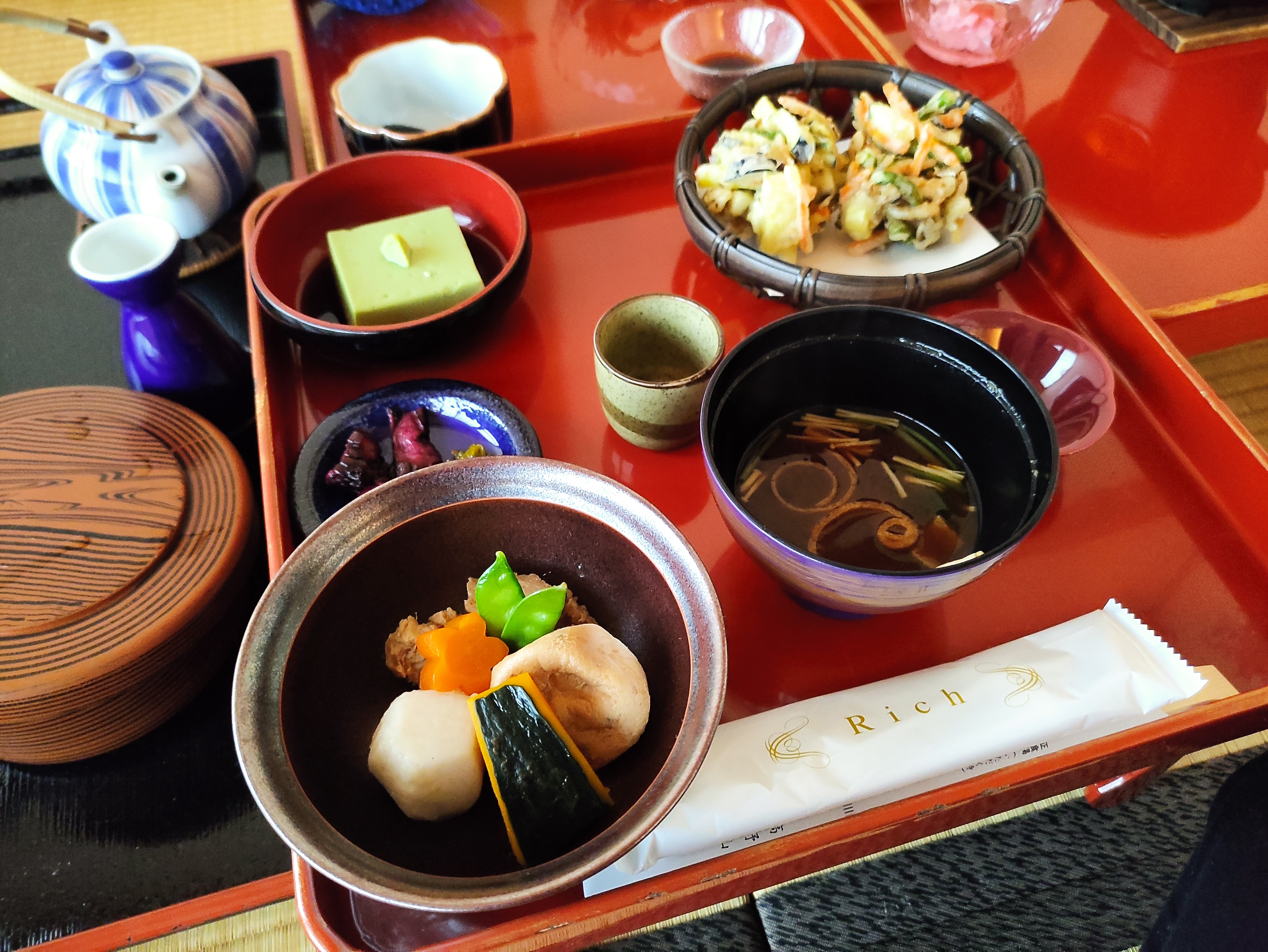
Plus the Saizen-in had its own onsen (hot springs) – which were definitely what the doctor ordered (over and above loperamide) after a long day’s travel and temple visitation.
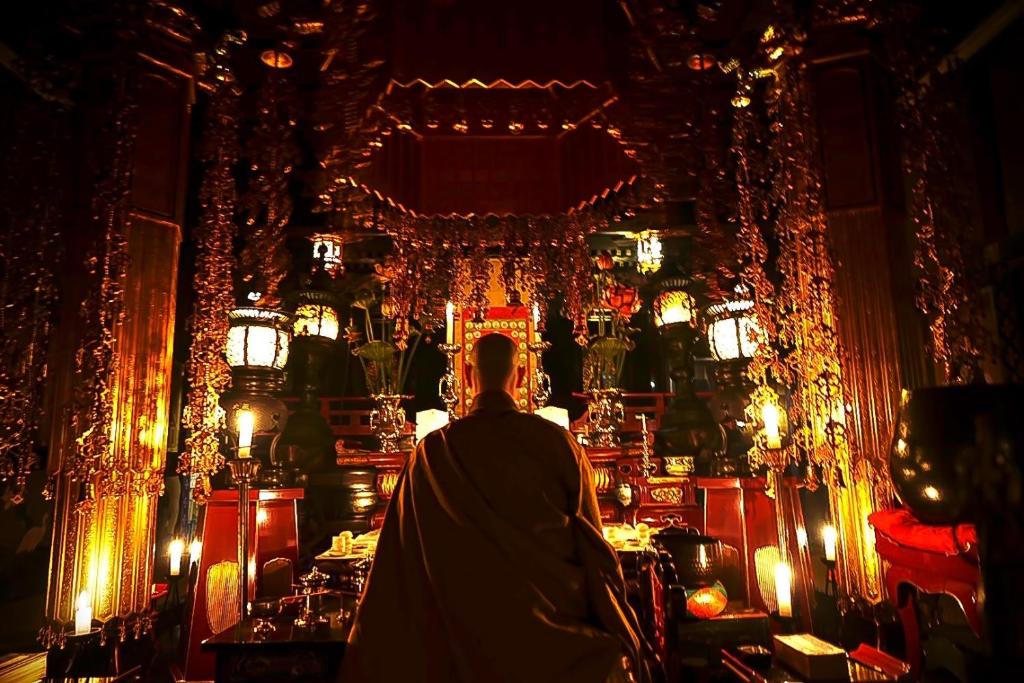
My own morning in Kayosan started bright and early in joining the monks for prayers at 7am. This was the whole, real-deal shebang of chanting, gongs, incense, etc. – all of which I’ve observed before to varying degrees in various countries around Asia (most notably Tibet), but never at such close quarters, nor from within the ‘inner sanctum’ itself, as it were. In short, something really quite special to observe close up and personal.
This was a site of active worship, of course, so I couldn’t take any photos or video, but here are some examples I found on t’interweb to give you a bit of a sense of it all (the photos are from Saizen-in, and the vid from a temple round the corner – but a very similar vibe).
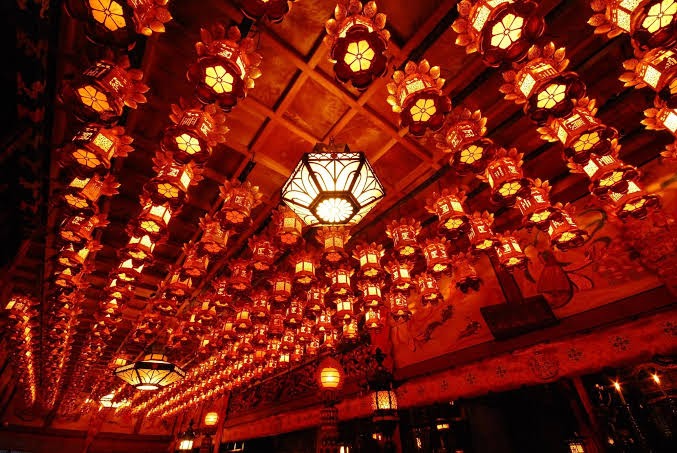
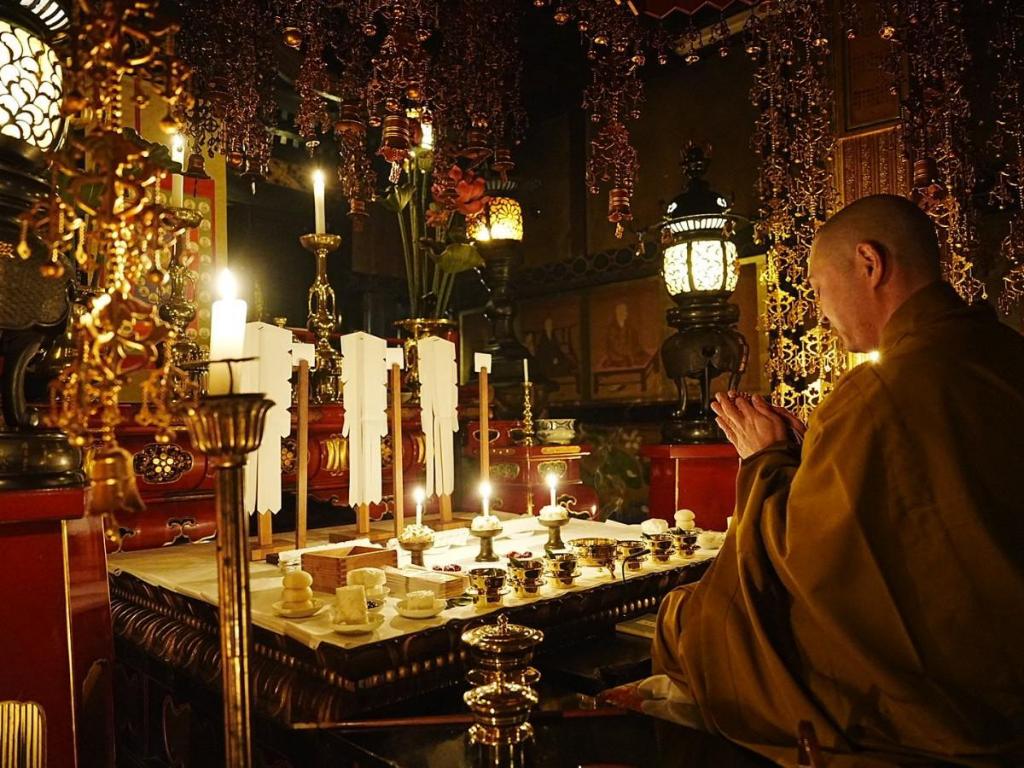
After this, it was across town to visit Okunoin Cemetery, Japan’s largest cemetery and site of the mausoleum for one Kōbō Daishi, the founder of Shingon Buddhism, who is said to have been in a state of meditative trance there since about the 1st century. He’s apparently even still served two ritualistic meals by the monks each day (left outside the mausoleum door) – though no one has thought to actually check in on the poor bugger in two thousand years – so best hope he doesn’t want out at this point! Still, kudos to the fella – I can’t even meditate for 5 minutes at a time (if that…), so best part of two millennia is pretty good going on that front!
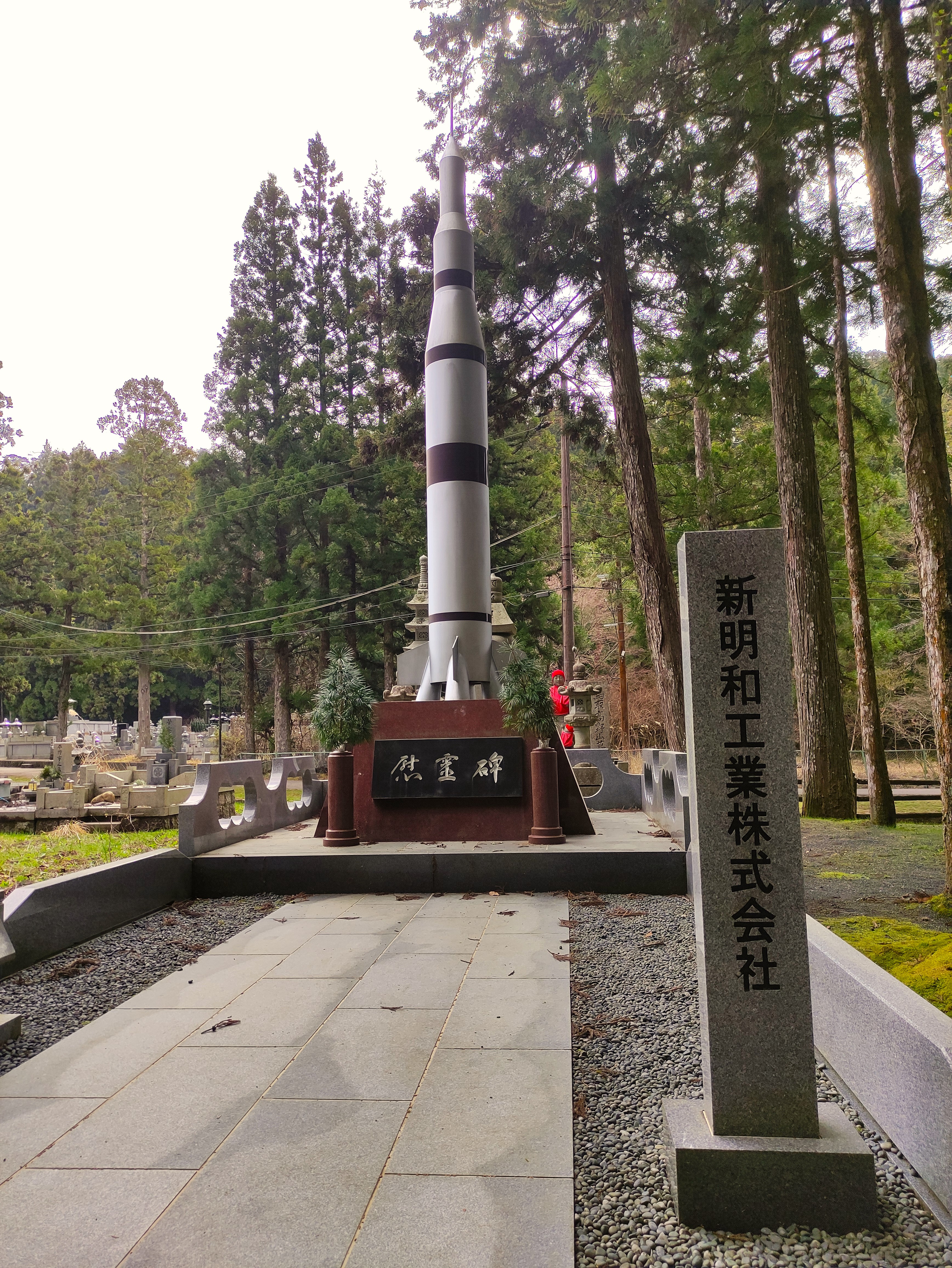
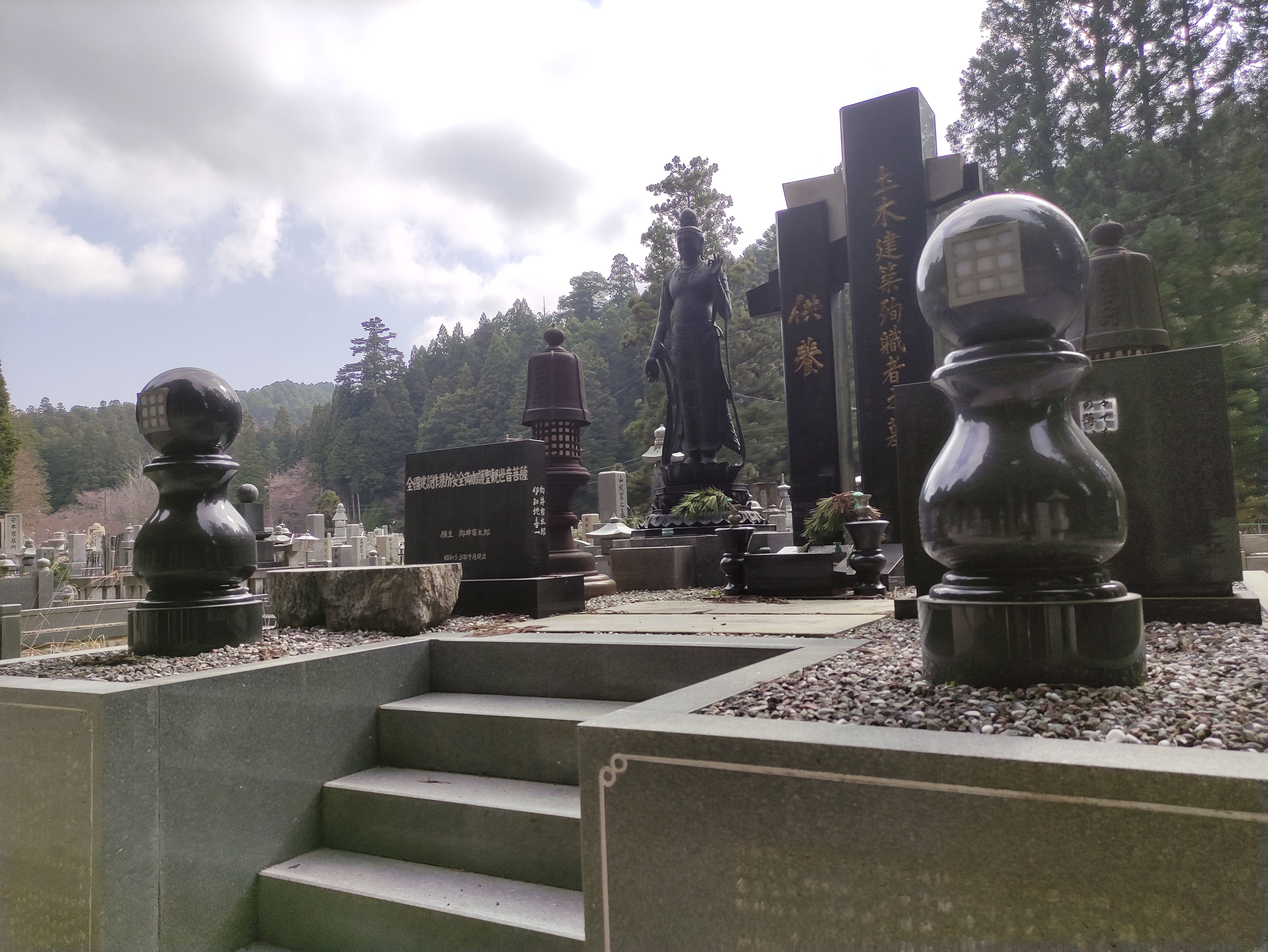
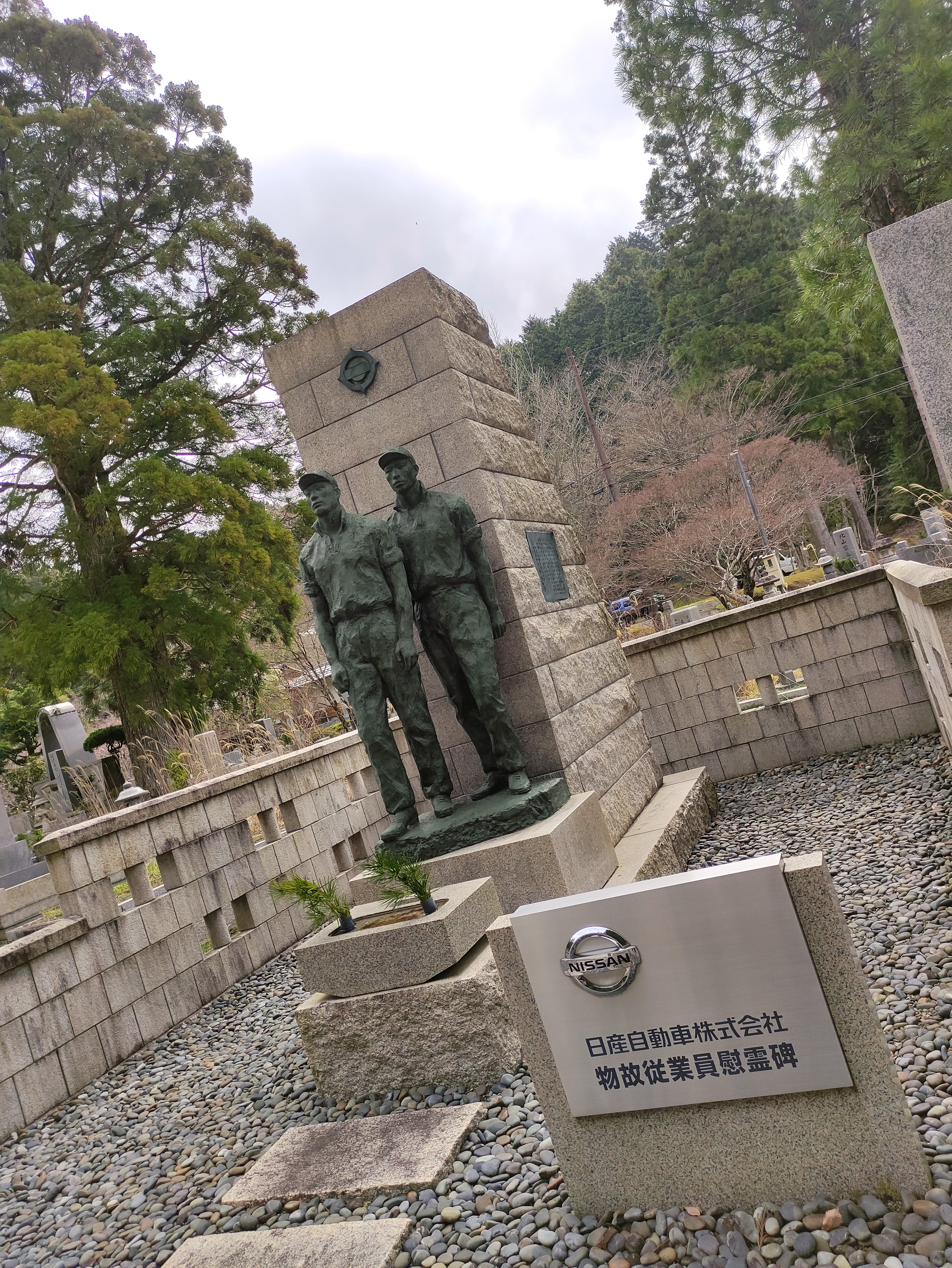
Okunoin turned out to be really interesting, as graveyards go. As you enter the cemetery, you first encounter several of the large-scale ‘prestige’ headstones, which typically fall into two camps. Firstly, there are the ones that reflect notable features of the life of the deceased – I’m guessing chess player, rocket engineer, pet lover and jaunty wearer of scarves (and possible hipster) here. Secondly there are the ones that seemingly come with their own corporate sponsorship (note Nissan, Sanki and Aderans), which are presumably built for the former big wigs of those respective organisations. This in itself is pretty telling in terms of the relationship of the typical Japanese salaryman with both their employment and employer. I mean, I like my job and everything too – but not to a point I’d want it emblazoned on my tombstone for ever more…
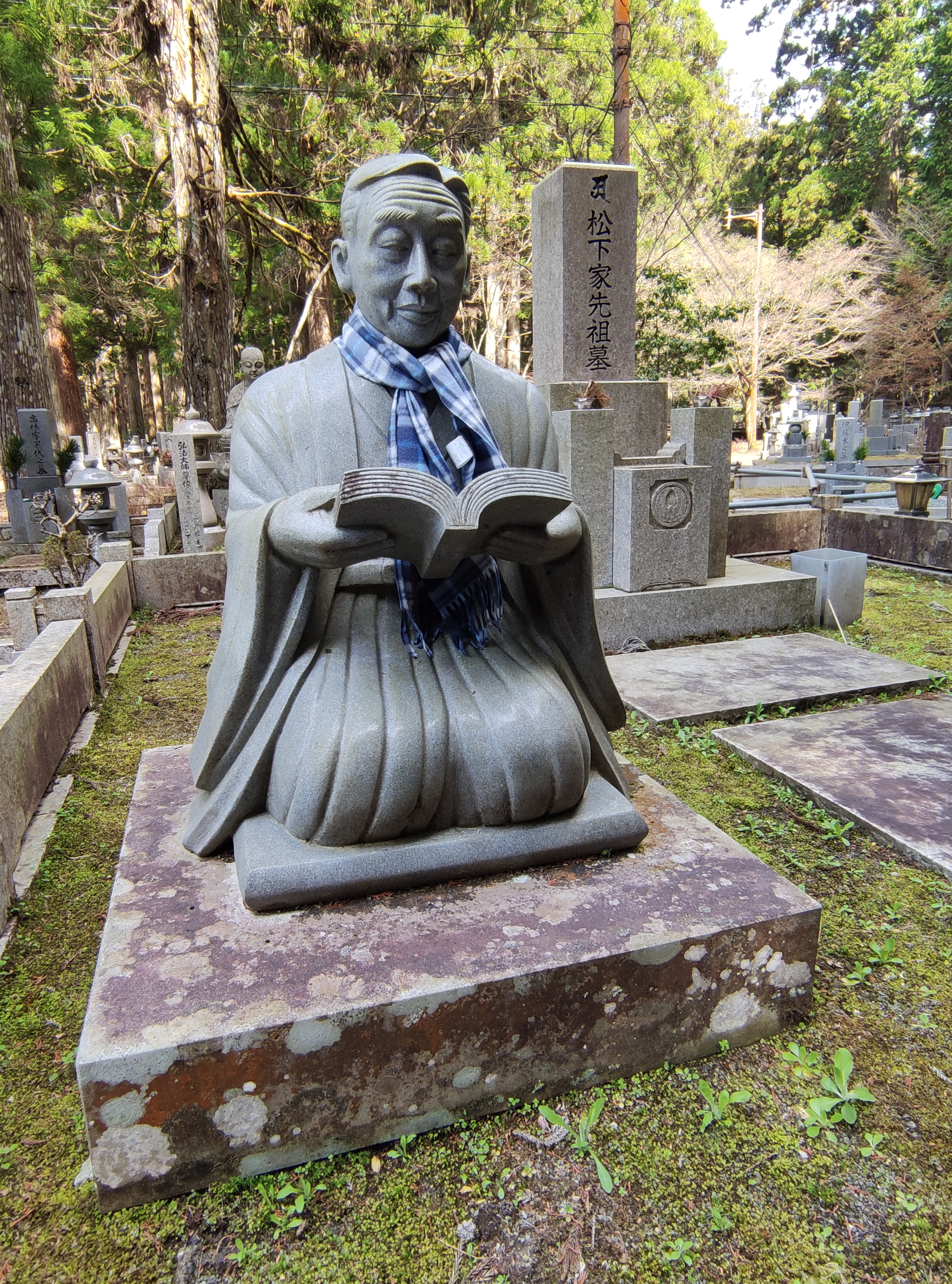
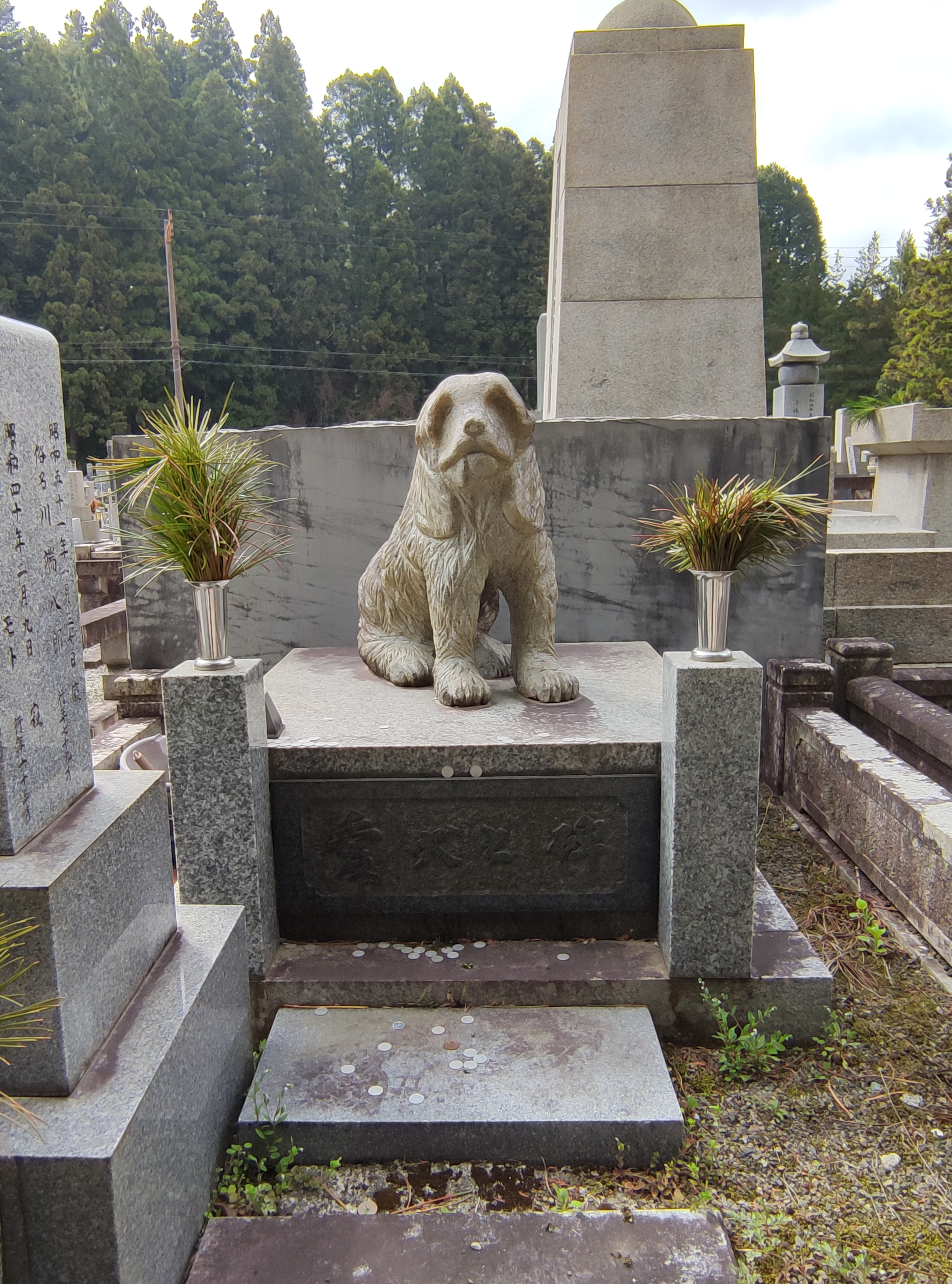
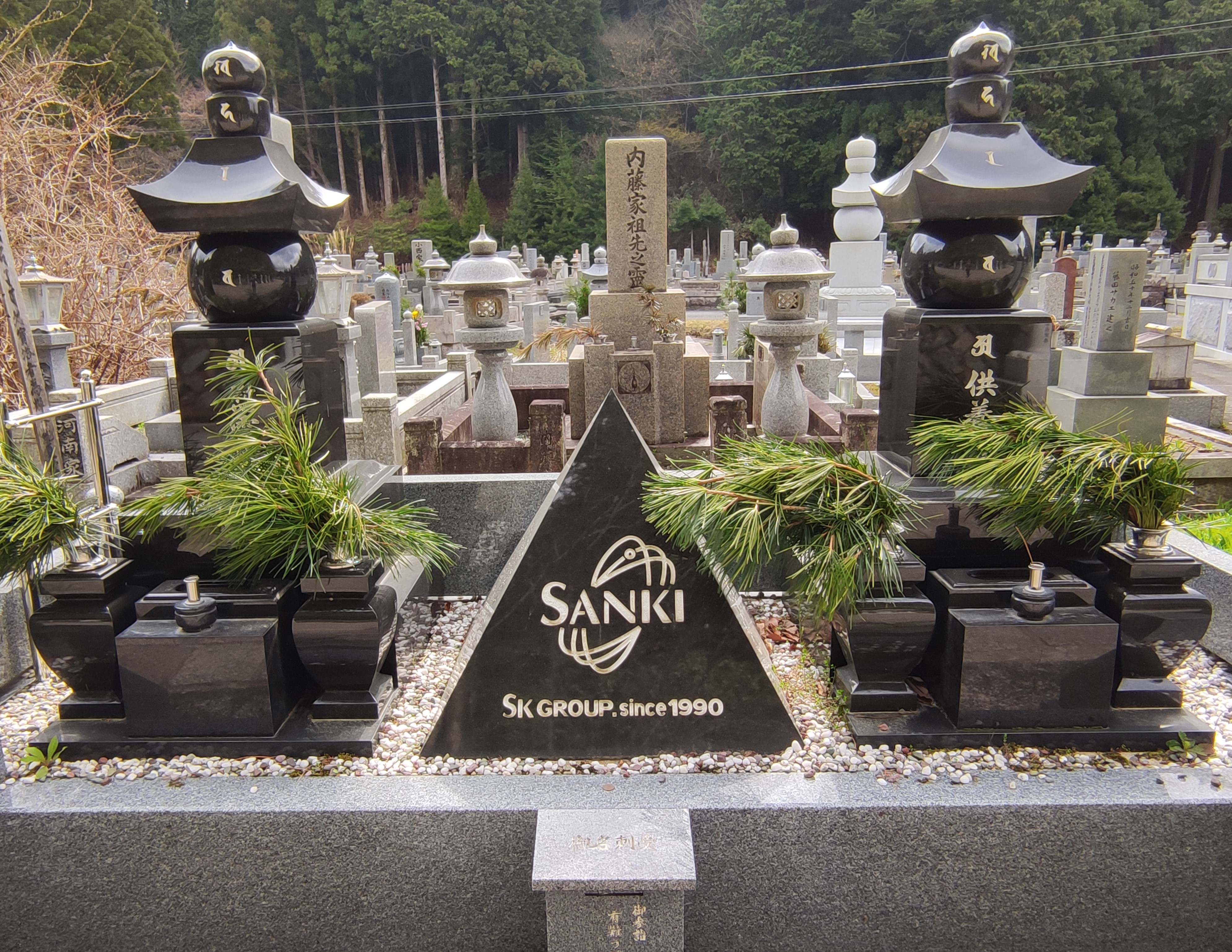
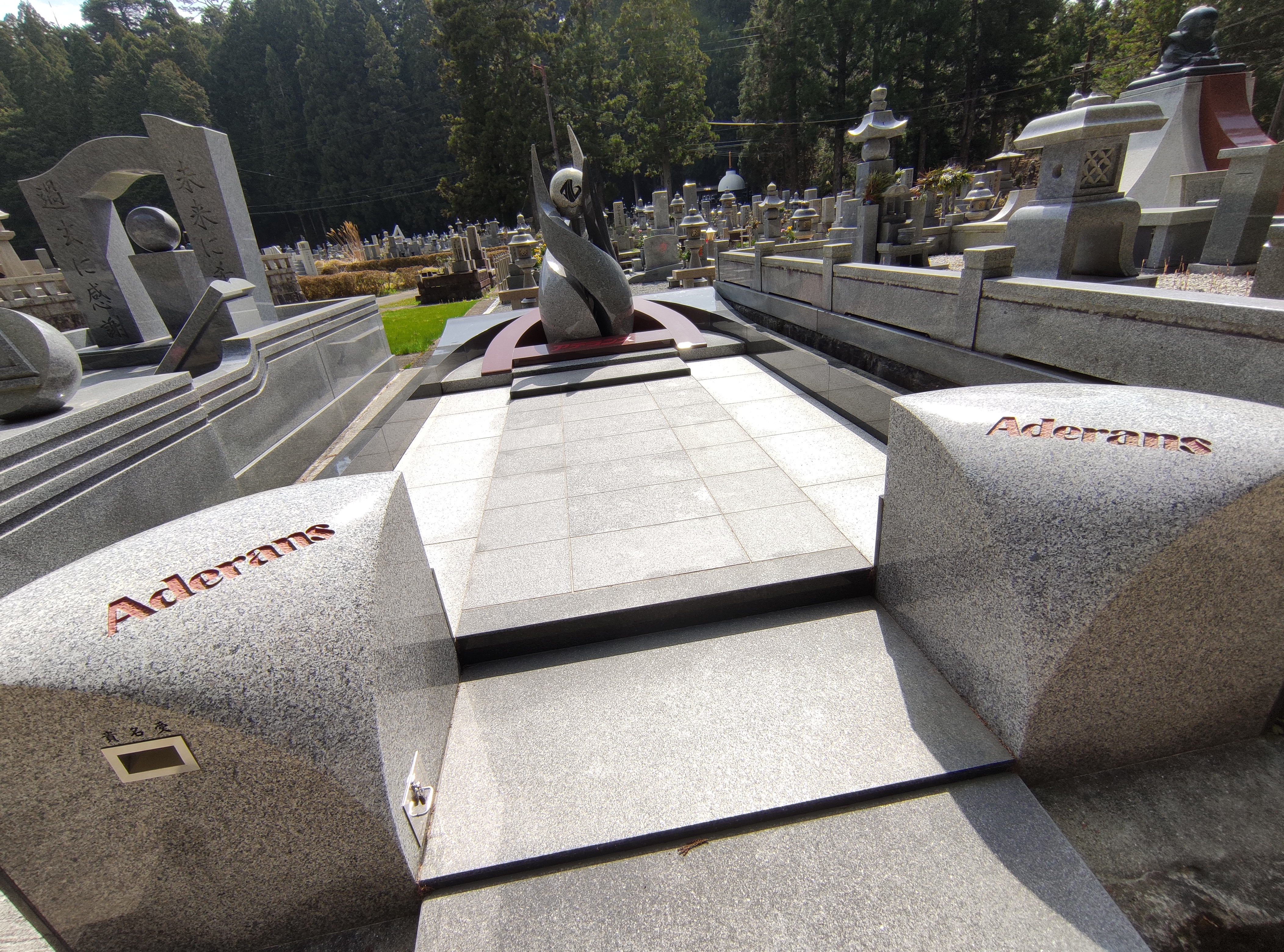
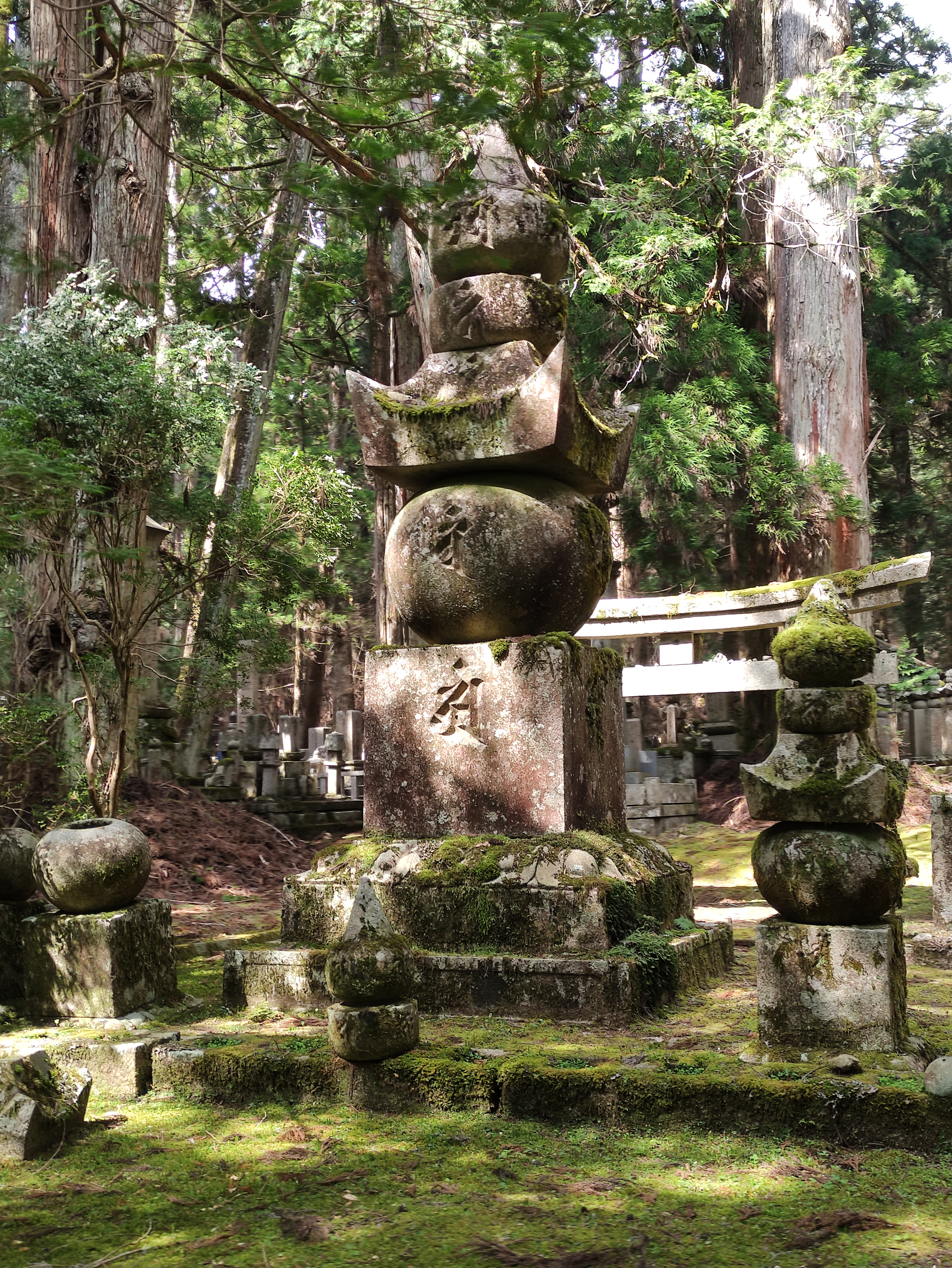
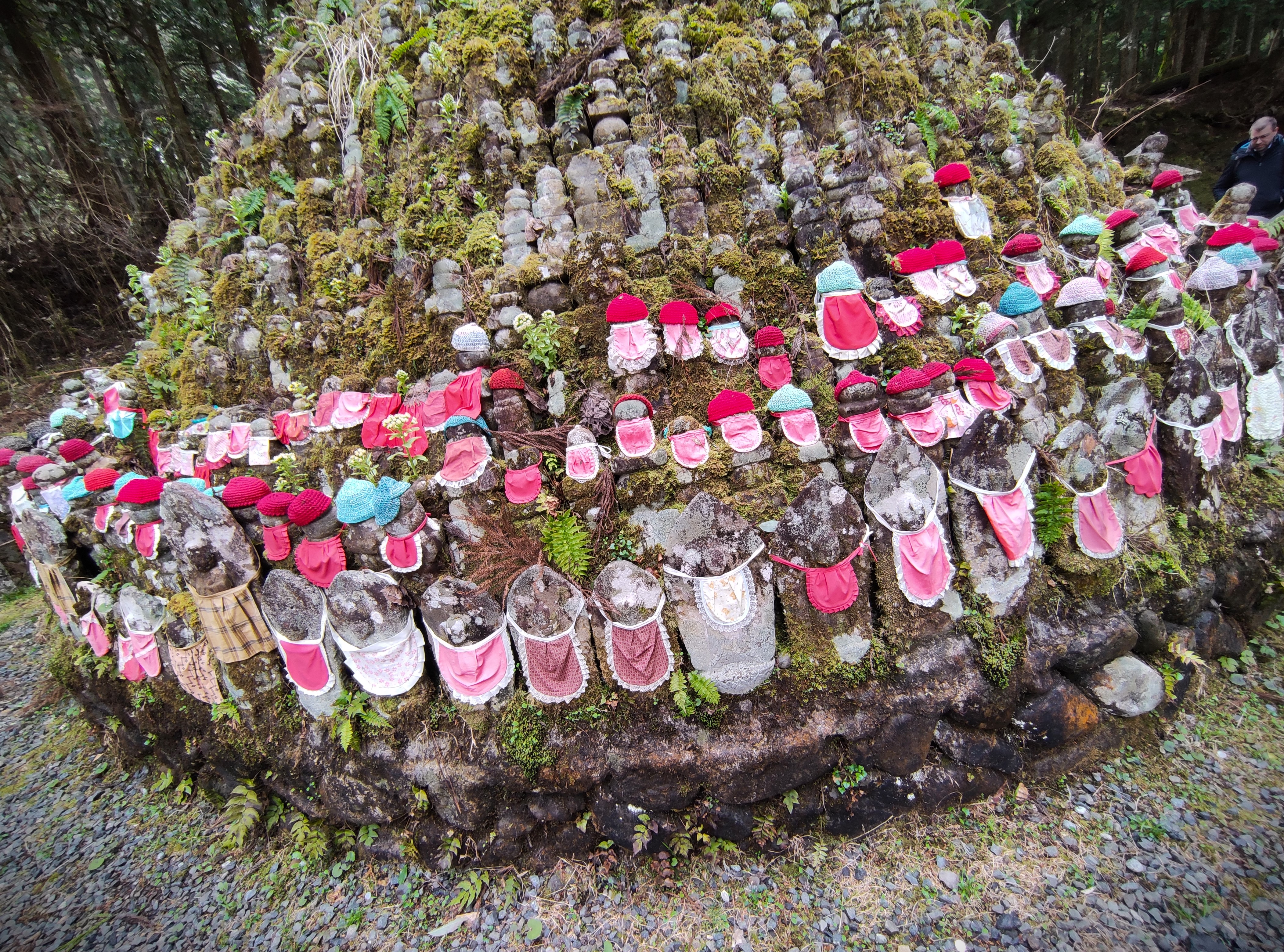
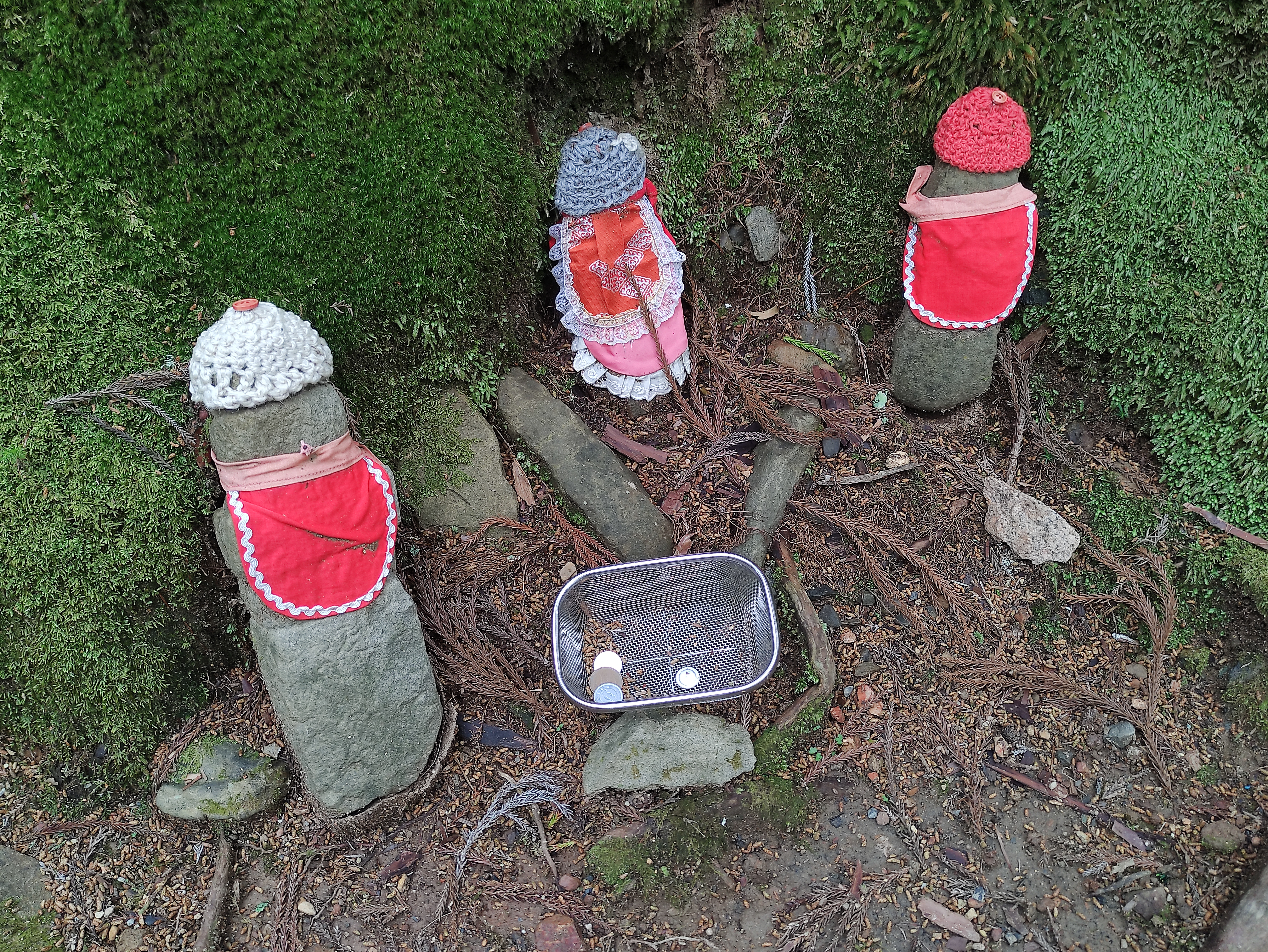
As you get further in, however, things start getting both more forested and decidedly more creepy, with the graves (all of 200,000 in total*) becoming ever more tumbledown, moss covered and neglected. And then these horrific fucked-up bibbed dudes (pictured below) start turning up more and more. I don’t know quite what the deal is with these nightmarish little creatures**, but all the same I’m officially freaked out – and also very I’m glad I didn’t do the night time tour of the place in the end either!



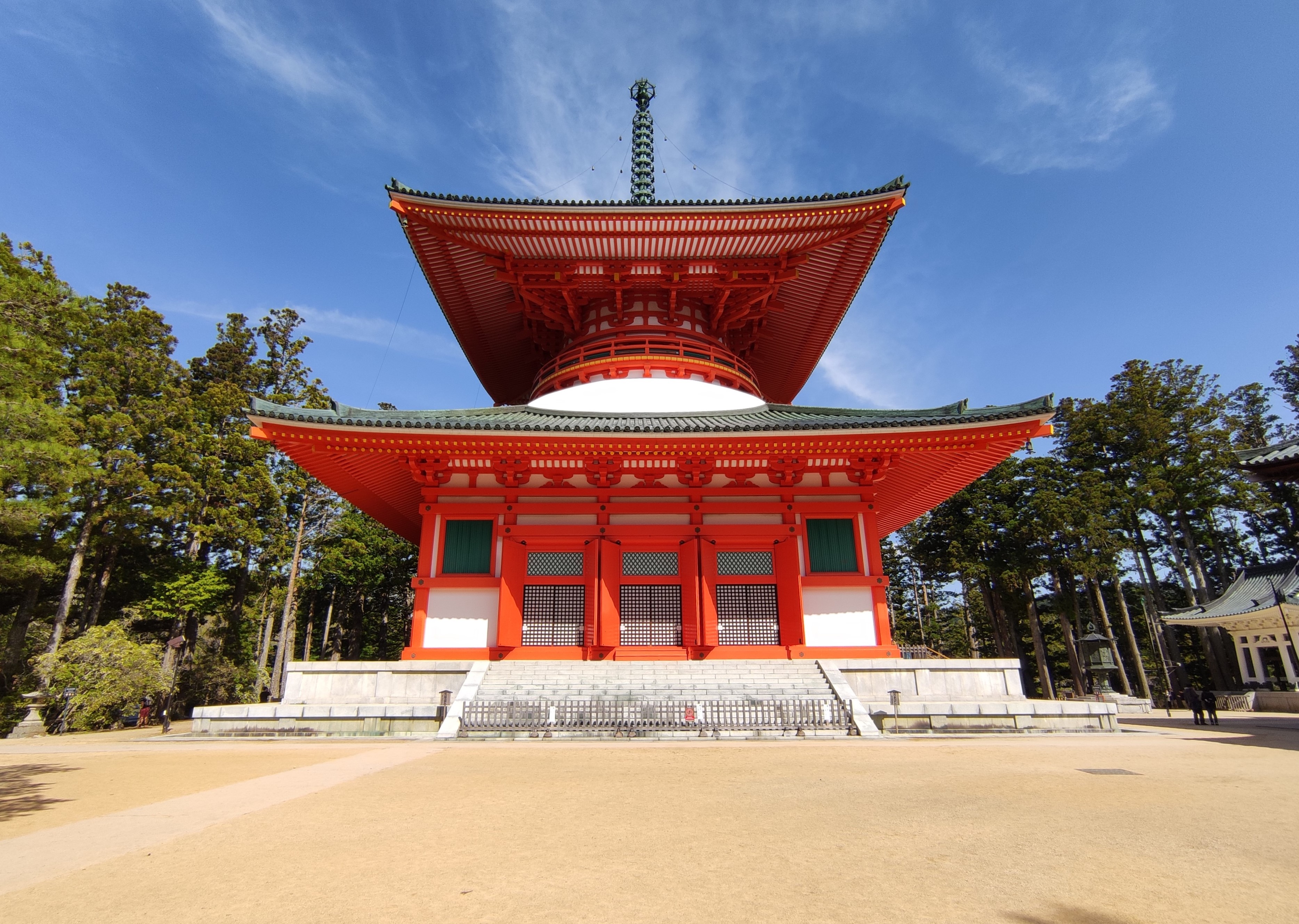
Aside from that the rest of day was spent generally pootling around, looking in at various temples. I didn’t visit all 117 of the temples in Koyasan, of course, but there was a bloody great massive orange one you really couldn’t miss (coincidentally enough called the Orange Temple – or Konpon Daito), that certainly stuck out…
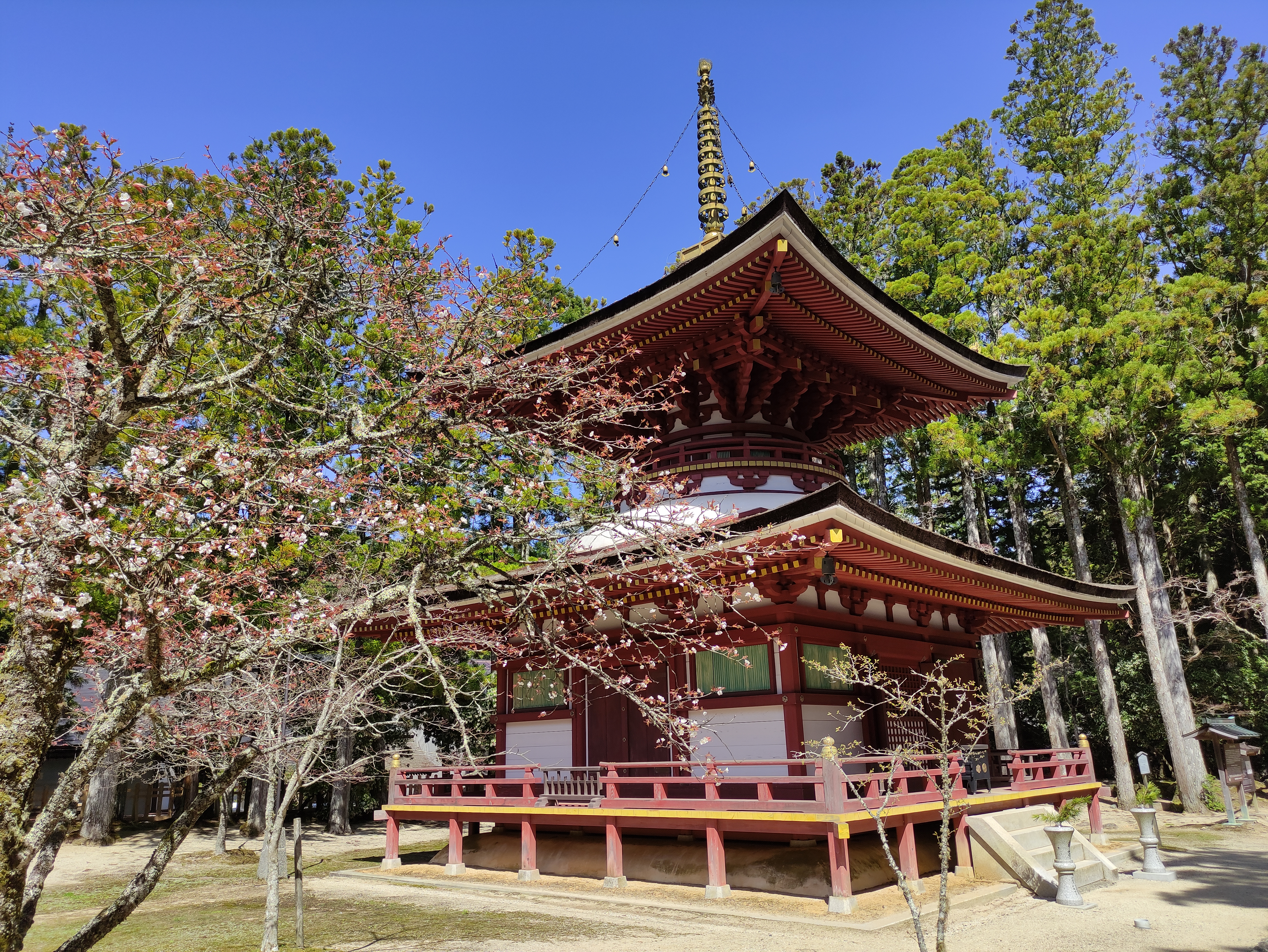
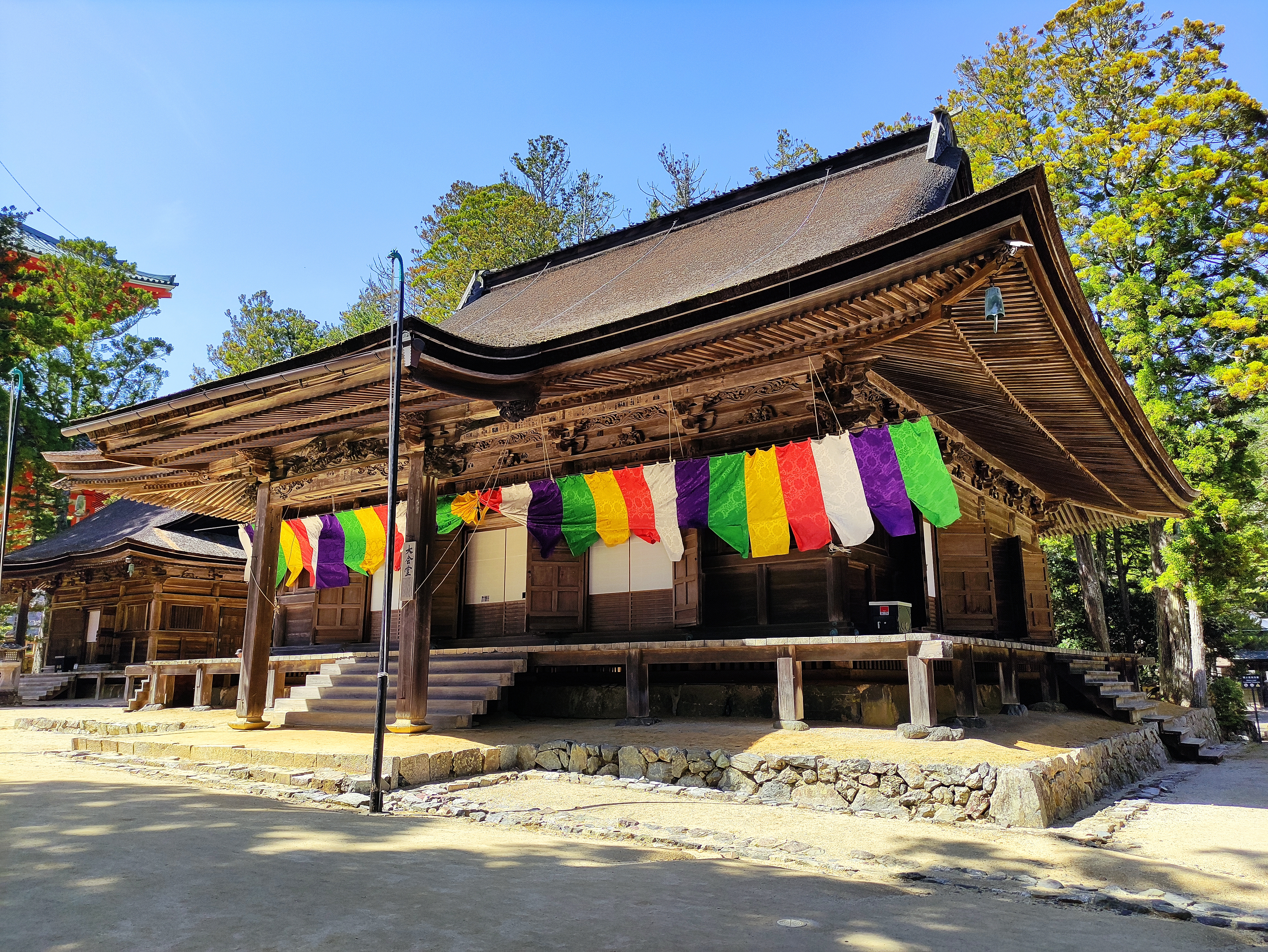

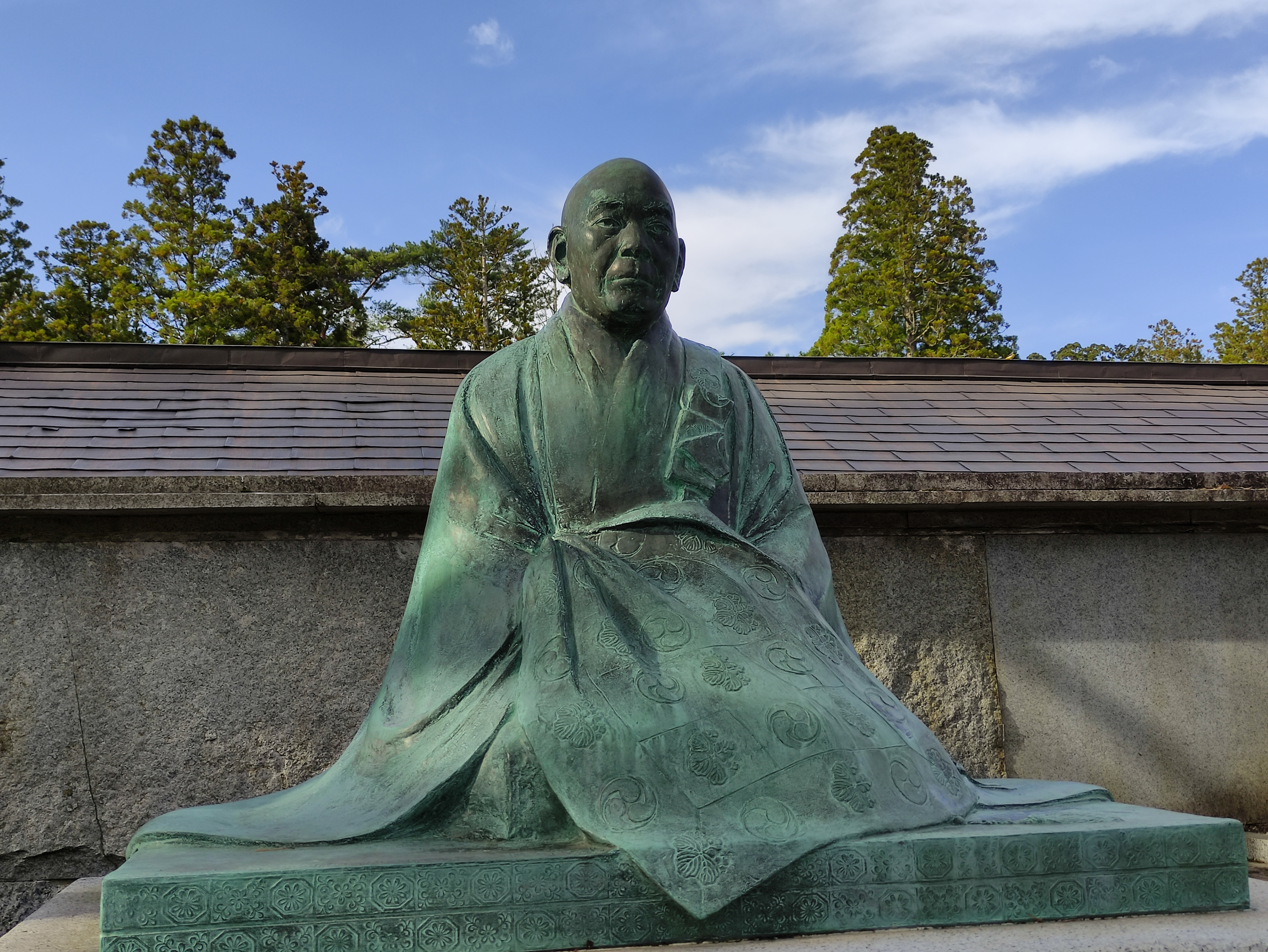
Anyway, that’s it for another exciting adventure! Tune in next time for a re-cap of my last day or two in Kyoto, before moving onto Hiroshima as my fourth and final leg of the journey later this week.
As for now, I’ll be sending up a silent prayer at services this morning for a less ‘disrupted’ journey back again… 😉 Forewarned is forearmed this time though!
* “They’re dead Dave, everybody’s dead…”
** PS: Just looked it up. These are jizo bosatsu, which are spiritual beings who strive for the enlightenment of all creatures and (in the case of the small ones) protect the souls of children. Sounds benign enough, I suppose, but am personally not convinced – they still look creepy AF in my book…
 Sarah Round The World
I am glad you survived EelGate, and the accommodation in the temple sounds amazing.
LikeLike